
Toy Story: Do I Have to Be the Most Special to Be Loved?
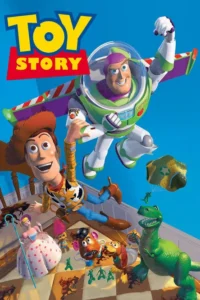
| 🎬 Title & Year | Toy Story (1995) |
| 🎥 Director | John Lasseter |
| 👥 Starring | Tom Hanks, Tim Allen, Don Rickles, Jim Varney, Wallace Shawn, Annie Potts |
| 🕒 Genre / Runtime | Animation, Adventure, Comedy, Family • 81 minutes |
| 🔞 MPA Rating | G |
| ✝️ Core Faith Themes | Identity, Jealousy, Comparison, Encouragement, Friendship, Christian Community |
| 📖 Key Scripture | 1 Corinthians 12:14–26; Ephesians 2:4–10; Hebrews 10:24–25; Psalm 133:1 |
Table of Contents
Toy Story is one of those films that feels different when I return to it as an adult. I first watched Woody and Buzz as a child, when their rivalry simply felt funny and exciting. Watching the film again now, however, I notice something I would not have known how to name then: both characters are deeply concerned with whether they still matter. Woody is afraid that losing his place as Andy’s favorite toy will mean losing his value, while Buzz’s confidence collapses when he discovers that he is not the extraordinary Space Ranger he believed himself to be.
At the beginning of the film, Woody is secure because he knows where he belongs. He leads the other toys, Andy loves him, and his place in the room seems unquestioned. Then Buzz Lightyear arrives with wings, flashing lights, buttons, and a confidence Woody cannot compete with. Andy’s attention shifts almost immediately. What begins as jealousy soon reveals something deeper: Woody has tied too much of his identity to being number one.
Buzz faces the opposite problem. He does not fear being ordinary because he does not yet believe he is ordinary. He is convinced that he is a real Space Ranger on an important mission. Yet both characters eventually confront the same question from different directions: If I am no longer the most important, impressive, or special person in the room, do I still matter? That is where Toy Story becomes more than a story about two toys learning to become friends. It becomes a surprisingly honest reflection on comparison, identity, encouragement, and the desire to be loved.
Woody’s Jealousy: Do I Have to Be Number One to Be Loved?
If we look closely at why Woody dislikes Buzz, it is not simply because Buzz annoys him. Woody is afraid of losing his place. Being Andy’s favorite toy has become such an important part of his identity that Buzz’s arrival feels like a threat to his own worth. Buzz is not just a new friend entering the room; to Woody, he seems like proof that Woody may no longer be special.
I do not think we are all that different. Without even realizing it, we can begin to believe that we must be better than others in order to be loved. We may feel that we need better grades to be recognized, a higher position at work to feel successful, or a more visible role in church to feel important. But when our sense of worth is built on comparison, another person’s success no longer feels like something to celebrate. It begins to feel like a threat.
1 Corinthians 12:14–21 compares the church to one body made up of many different parts. The eye cannot say to the hand, “I don’t need you,” and the head cannot say to the feet, “I don’t need you.” Different functions do not mean that one person is more valuable and another is less valuable. In fact, we need one another precisely because we are different.
Woody and Buzz eventually learn this truth. Buzz shining brightly does not erase Woody’s value. Woody being important to Andy does not make Buzz less important. These two very different toys were never meant to destroy one another. They were meant to become friends.
Buzz’s Fall: Who Am I If I Am Not Special?
Buzz faces the opposite kind of identity crisis. When he first appears, he does not believe that he is a toy. He truly thinks he is a real Space Ranger on an important mission. But everything collapses when he sees a television commercial and realizes that he is just one Buzz Lightyear toy among countless others.
The scene where Buzz tries to fly and falls is more than a comedic moment. For Buzz, it is the collapse of his entire identity. He believed he was a special hero, and suddenly he discovers that he is a mass-produced toy. The question underneath his despair is painful: If I am not who I thought I was, then who am I?
Watching Buzz in this moment reminded me of Punchinello from You Are Special, which I previously reflected on here at Screen Devotions. Punchinello measures his worth through the marks other people place on him. If others give him stars, he feels valuable; if they cover him with dots, he feels worthless. Buzz experiences something similar. The moment he realizes that he is not a unique Space Ranger, he begins to feel that he has lost the very thing that made his life meaningful.
But being ordinary is not the same as being worthless. Buzz’s mistake was not simply believing something untrue about himself; it was allowing that extraordinary identity to carry almost the entire weight of his worth. Once the identity disappears, he does not know what is left.
Christian faith does not locate our worth in achievement or exceptional status. Ephesians 2:4–10 begins with God’s mercy, love, and grace before describing believers as His workmanship. That order matters. What we accomplish has meaning, but our relationship with God is not earned by becoming more impressive than everyone else. Buzz’s crisis comes from discovering that he is not who he imagined himself to be. The Christian hope points in a different direction: our deepest worth does not depend on maintaining an extraordinary image of ourselves.
Woody’s Encouragement: What a Discouraged Friend Needs to Hear
When Buzz loses his confidence and falls into despair, the person who helps him move forward is unexpectedly Woody. This matters because Woody began the film seeing Buzz almost entirely as a threat. Now, instead of enjoying his rival’s collapse, Woody points Buzz toward something he has overlooked: the name written on the bottom of his foot. Buzz may not be a real Space Ranger, but he still has a place in Andy’s life.
I think this is one of the warmest turns in Toy Story. Woody does not encourage Buzz by restoring the illusion that he really is a Space Ranger. He helps Buzz face the truth without treating that truth as the end of his value. Buzz has lost the identity that once made him feel exceptional, but he has not become useless or disposable.
That distinction matters in real relationships too. There are moments when people lose something that had become central to the way they understood themselves—a job, an achievement, a role, an ability, a relationship, or simply the confidence they once had. Encouragement does not always mean telling someone that everything will return to the way it was. Sometimes it means staying beside that person while helping them see that disappointment has not erased their worth.
Hebrews 10:24–25 calls believers to consider how we may encourage one another toward love and good works. Woody’s transformation makes that especially meaningful to me. The person who once envied Buzz becomes the person who helps him get back on his feet. Christian community should make room for that kind of change—not ranking people according to who appears most impressive, but helping one another continue faithfully when confidence has been shaken.
Woody and Buzz are not yet finished learning how to be friends, but something important has changed. Woody no longer needs Buzz to fail in order to feel better about himself. He is finally able to help the person he once wanted to defeat.
Woody and Buzz Were Never Meant to Be Rivals
As the story continues, Woody and Buzz’s relationship completely changes. At first, they seem to be fighting over who will be more loved in Andy’s room. But after facing danger together and trying to find their way back home, they begin to realize how much they need one another.
Even in the final escape sequence, neither of them tries to survive alone. They hold on to each other and return to Andy together. Buzz does not regain confidence by going back to the illusion that he is a real space ranger. Instead, he begins to accept who he truly is and moves forward together with Woody.
Psalm 133:1 describes how good and pleasant it is when God’s people live together in unity. When I watch Woody and Buzz, this verse comes to mind. Of course, Toy Story is not directly teaching biblical community. But the image of two rivals becoming friends, helping one another in their weaknesses, and making their way home together invites us to reflect on the kind of relationships we are building in our own communities.
Church should not become a place of competition. It is not a place where we compare who prays better, who knows more Scripture, who serves more, or who has the more visible role. We may all have different gifts and responsibilities, but we belong to the same body.
Another person’s gift does not diminish the place God has given us within the body.
Why Do I Want to Be Loved?
Woody and Buzz begin the film with different problems, but both are looking for proof that they matter. Woody wants to remain Andy’s favorite. Buzz believes his significance comes from being an extraordinary Space Ranger. One fears losing a special position; the other discovers that the special identity he trusted was never real. Their crises eventually point toward the same deeper question:
What must be true about me before I can believe that I am worth loving?
That question reaches far beyond Andy’s room. Where do we look for proof that we matter? Is it in being admired, or in knowing that we are loved even when someone else receives the attention we wanted? Comparison is unstable because the standard is always moving. Someone will eventually be more talented, more successful, more visible, or more praised. If our identity depends on remaining ahead, peace becomes almost impossible.
For Christians, worth cannot finally rest on winning that competition. Ephesians 2:4–10 roots the Christian life in God’s mercy and grace before speaking about the good works prepared for us. We are called to live faithfully and use what we have been given, but we do not need to become more impressive than everyone around us in order to earn God’s attention.
That is what I appreciate most about Woody and Buzz by the end of the film. Woody no longer needs Buzz to disappear in order to feel secure, and Buzz no longer needs to believe he is a Space Ranger in order to move forward. Neither character becomes valuable because he defeats the other. They become friends when they stop asking the other person to become smaller.
So the question Toy Story leaves with me is not simply whether I struggle with jealousy. It is whether I can rejoice when someone beside me shines without interpreting that person’s success as a verdict on my own worth.
Do I need to be the most special person in the room to believe that I am loved?
Key Takeaways & Faith Insights
- You Do Not Have to Be First to Matter: Woody fears that Buzz’s arrival will cost him his place, but another person’s gifts do not erase our own value or role. Christian community is made of different members who need one another rather than compete for the same position. 1 Corinthians 12:14–26
- Your Worth Is Not Built on Being Extraordinary: Buzz’s identity collapses when he discovers that he is not the Space Ranger he imagined himself to be. Christian identity begins not with achievement or status but with God’s mercy, grace, and the fact that we are His workmanship. Ephesians 2:4–10
- Encouragement Helps People Stand Again: Woody cannot restore Buzz’s false identity, but he can remind him that losing that identity does not make his life meaningless. Christian community should be a place where discouraged people are encouraged toward love, faithfulness, and good works. Hebrews 10:24–25
- Community Does Not Require Competition: Woody and Buzz become friends only after they stop treating one another as threats. Unity does not mean everyone has the same gifts or role; it means learning to live together without another person’s strength becoming a reason for jealousy. Psalm 133:1
“Being a toy is a lot better than being a Space Ranger.”
Woody
Explore More Screen Devotions:
- 🎬 Movies: Explore Other Faith-Based Film Reflections
- 🌍 Documentaries: Biblical Perspectives on Real-World Issues
Scripture taken from the Holy Bible, NEW INTERNATIONAL VERSION®, NIV® Copyright © 1973, 1978, 1984, 2011 by Biblica, Inc.® Used by permission. All rights reserved worldwide.